
Mahamastakabhisheka 2026 at Bahubaleshwar | 22 February 2026
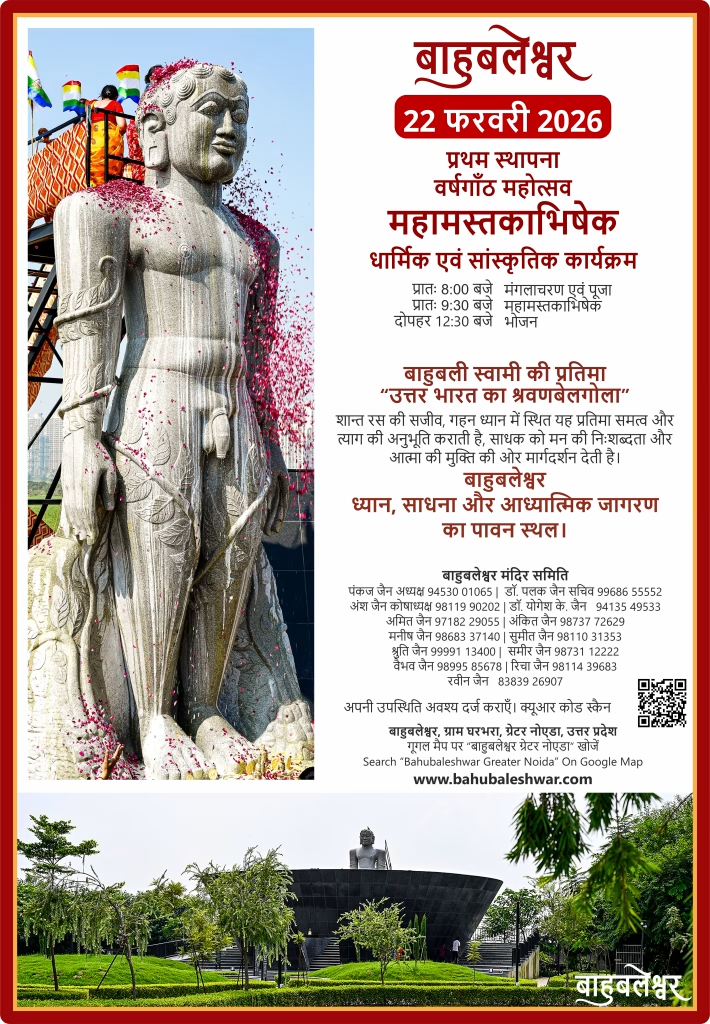
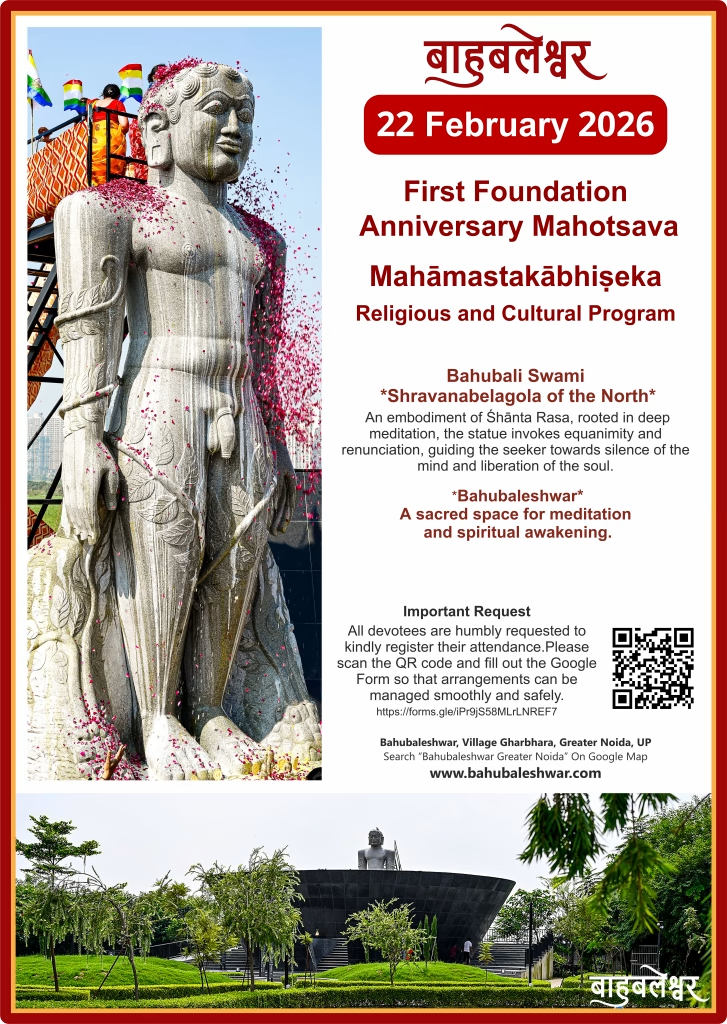
Grand Mahamastakabhisheka of Bhagwan Bahubali Swami Ji
The sacred Mahamastakabhisheka 2026 was celebrated with immense devotion on 22nd February 2026 at Bahubaleshwar. This divine ceremony of Bhagwan Bahubali Swami Ji’s 23-foot idol drew hundreds of devotees who gathered to experience spiritual purification and inner awakening.
Mahamastakabhisheka is not merely the ceremonial bathing of the Lord’s idol; it represents the purification of one’s inner self. Just as Lord Bahubali renounced ego and attained Kevalajnana (Absolute Knowledge), each sacred offering during the ritual inspires devotees to renounce inner impurities such as anger, pride, deceit, and greed.
Grand traditional celebrations of Mahamastakabhisheka, such as those at Shravanabelagola in Karnataka, follow this sacred sequence with deep reverence and discipline.
Auspicious Beginning of the Ceremony
The event commenced at 8:00 AM with:
Manglacharan
Dwaja Rohan (Flag Hoisting)
Puja and Shantidhara
The rituals were conducted by Vidhanacharya Shri Jagdish Ji Shastri (Kota). Devotional bhajans were rendered by Shri Sanskar Jain and his team, creating a spiritually uplifting atmosphere.
Approximately 200 devotees participated in the podium puja, followed by the grand Mahamastakabhisheka ceremony.
The overall event witnessed the presence of over 600 devotees, making it a spiritually vibrant and memorable occasion.
Sacred Dravya Used in Mahamastakabhisheka & Their Meaning
Each dravya (sacred offering) symbolizes a step toward spiritual elevation:
1. Jala (Pure Water) – Purification
Washes away external impurities
Symbolizes cleansing of karmic dust
Represents the beginning of spiritual awakening
2. Kshira (Milk) – Purity & Compassion
White color signifies purity of thought
Represents nourishment and spiritual growth
Inspires calmness of mind
3. Dadhi (Curd / Buttermilk) – Stability & Discipline
Symbolizes transformation and inner evolution
Represents disciplined spiritual practice
4. Ikshu Rasa (Sugarcane Juice) – Sweetness in Conduct
Encourages gentle speech
Inspires compassion and harmony
5. Haldi (Turmeric Water) – Auspicious Spiritual Radiance
Golden hue symbolizes spiritual brilliance
Represents positivity and divine energy
6. Shveta Chandan (White Sandalwood) – Cooling of Passions
Calms anger, pride, deceit, and greed
Represents equanimity and inner peace
7. Keshara Jala (Saffron Water) – Supreme Purity
Precious like spiritual realization
Symbolizes elevated consciousness
8. Pushpa Jala (Flower Water) – Devotion
Just as flowers spread fragrance, virtues uplift society
9. Flower Petals – Bhakti & Shraddha
Expression of heartfelt devotion
Community Participation & Support
Lunch Prasadi was generously sponsored by Color Bags India Pvt. Ltd.
The entire event was covered by Adinath TV Channel, enabling devotees to relive the sacred moments.
Spiritual Significance of Mahamastakabhisheka
Mahamastakabhisheka is one of the most significant Jain religious ceremonies dedicated to Lord Bahubali, symbolizing victory over ego and attainment of spiritual enlightenment. It is a reminder that true worship lies not only in ritual but in internal transformation.